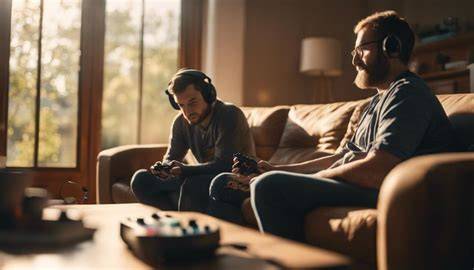
 Video games can bring people together, provide a sense of accomplishment, and offer a welcome break from everyday stress. For many players, gaming is simply an enjoyable hobby. However, the growing popularity of video games also raises an important mental health question: what happens when gaming stops being recreation and becomes a primary way of coping with life? When excessive gaming begins interfering with sleep, relationships, responsibilities, or emotional well-being, it may signal a deeper concern. Understanding the connection between the video game craze and mental health can help individuals and families recognize problematic patterns early and seek compassionate support when needed.
When Does Gaming Become More Than a Hobby?
There is nothing inherently unhealthy about enjoying video games. Many people play regularly without experiencing significant problems. The concern is not necessarily the number of hours someone spends gaming. Instead, it is the impact gaming has on the rest of that person’s life.
Problematic gaming may develop when an individual repeatedly chooses gaming over important responsibilities or struggles to reduce playing time despite wanting to make a change. Gaming may also become concerning when it is used almost exclusively to escape difficult emotions.
For example, someone experiencing loneliness may turn to online gaming for connection. Someone dealing with anxiety may use games to avoid stressful situations. A person struggling with depression may find virtual achievements easier to pursue than real-world goals.
Gaming can provide temporary relief. However, if it becomes the only coping strategy, underlying emotional concerns may remain unresolved.
The Connection Between Video Games and Mental Health
Mental health and gaming can influence each other in complicated ways. Excessive gaming does not automatically cause a mental health disorder, and not everyone who games heavily will develop an addiction. However, unhealthy gaming patterns can exist alongside emotional challenges that deserve attention.
Gaming and Anxiety
Gaming can create a temporary sense of control. Players know the rules, understand the objectives, and can often see measurable progress. For someone overwhelmed by uncertainty in everyday life, that predictability can feel comforting.
The problem occurs when gaming becomes the primary method of avoiding anxiety. Instead of learning to manage stressful situations, the individual may repeatedly retreat into a virtual environment.
Over time, responsibilities can accumulate, potentially creating even more stress and reinforcing the desire to escape through gaming.
Gaming and Depression
Depression can make everyday activities feel exhausting or meaningless. Video games, by contrast, can provide immediate goals, rewards, social interaction, and stimulation.
For someone experiencing depression, this can make gaming particularly appealing. Yet excessive gaming may also contribute to isolation if it replaces relationships, exercise, work, education, or other meaningful activities.
When real-world engagement decreases, feelings of loneliness and disconnection may become stronger.
Gaming and Sleep
Sleep is an important part of mental and physical health. Late-night gaming can make it tempting to delay bedtime, particularly when a player is involved in a competitive match or wants to reach a specific achievement.
Repeated sleep disruption can affect concentration, mood, energy, and emotional regulation. Fatigue can then make it harder to maintain healthy routines, creating a cycle that becomes increasingly difficult to break.
Recognizing Signs of Problematic Gaming
Understanding warning signs can help individuals address unhealthy gaming before the consequences become more serious.
Loss of Control
A person may repeatedly intend to play for a short period but continue much longer. Attempts to reduce gaming may also fail despite genuine intentions.
Neglected Responsibilities
Gaming becomes more concerning when schoolwork, professional obligations, household responsibilities, personal hygiene, or appointments are regularly neglected.
Withdrawal From Relationships
An individual may stop participating in family activities or social events because gaming feels more appealing. Over time, this can create conflict and emotional distance.
Emotional Dependence
If someone becomes unusually irritable, anxious, or distressed whenever gaming is unavailable, it may indicate that the activity has become an important emotional coping mechanism.
Loss of Interest in Other Activities
Healthy hobbies and relationships may gradually disappear as gaming occupies more time. This narrowing of interests is an important sign that balance may be slipping.
Why Looking Beneath the Behavior Matters
Simply telling someone to stop gaming may not address the real issue. If gaming is being used to manage anxiety, depression, loneliness, trauma, or chronic stress, removing the behavior without addressing those concerns can leave the individual without an effective coping strategy.
Identifying Emotional Triggers
Professional counseling can help individuals recognize what happens immediately before excessive gaming. Is the trigger stress at work? An argument with a family member? Feelings of inadequacy? Loneliness? Boredom?
Understanding these patterns creates opportunities to develop healthier responses.
Developing New Coping Skills
Recovery involves learning practical ways to handle difficult emotions without relying exclusively on gaming. Depending on individual needs, healthy strategies may include exercise, mindfulness, journaling, creative activities, social connection, relaxation techniques, or professional counseling.
The goal is not simply to remove gaming from someone’s life. It is to expand the person’s ability to cope, connect, and find satisfaction in multiple areas of life.
Building a Healthier Relationship With Gaming
For many people, recovery means learning how to enjoy video games without allowing them to control daily life.
Establish Clear Boundaries
Set gaming times around existing responsibilities rather than allowing gaming to determine the day’s schedule. Work, school, meals, sleep, exercise, and relationships should remain priorities.
Timers and scheduled breaks can also help players maintain awareness of how much time they are spending on screens.
Protect Your Sleep
Establish a consistent bedtime and avoid allowing late-night gaming to become routine. Rested individuals are generally better equipped to manage stress and regulate emotions.
Make Time for Real-World Connections
Schedule activities with family and friends that do not involve gaming. Meaningful relationships provide emotional support that virtual achievements cannot always replace.
Pursue Other Sources of Fulfillment
Sports, music, art, volunteering, education, outdoor activities, and personal projects can create opportunities for accomplishment and enjoyment outside the gaming environment.
A diverse lifestyle makes it less likely that one activity will become the sole source of pleasure or emotional relief.
When Professional Treatment Can Make a Difference
Sometimes unhealthy gaming has progressed beyond what personal boundaries can resolve. Professional support can provide structure, accountability, and a deeper understanding of the factors contributing to compulsive behavior.
Individualized Mental Health Care
Every person has a different relationship with gaming. Individualized treatment can examine mental health, personal history, emotional triggers, relationships, and lifestyle factors to create a treatment approach that fits the individual.
This personalized perspective is particularly important when problematic gaming occurs alongside other mental health concerns.
Inpatient and Outpatient Treatment
Inpatient care can provide a structured environment for individuals who need intensive support and a focused opportunity to work on recovery. Outpatient treatment may be appropriate for people who can continue living at home while attending counseling and other services.
The right level of care depends on the individual’s circumstances and clinical needs.
Holistic Approaches to Recovery
Mental health recovery involves more than changing one behavior. Holistic care considers emotional, physical, social, and spiritual wellness.
Healthy nutrition, physical activity, mindfulness, stress management, meaningful relationships, and other wellness practices can help individuals develop a stronger foundation for lasting recovery.
Faith-Based Support
For individuals who value spirituality, faith can provide a meaningful source of hope, purpose, encouragement, and strength. Faith-based support can complement professional treatment while helping clients explore personal values and spiritual well-being.
How Families Can Help
Families can play an important role when gaming begins affecting mental health. However, criticism and confrontation may cause an individual to become defensive or withdraw further.
Instead, approach the conversation with compassion. Talk about specific changes you have noticed, such as disrupted sleep, missed responsibilities, isolation, or changes in mood. Listen carefully and avoid assuming that gaming is the entire problem.
Family counseling can also help loved ones understand problematic gaming, improve communication, establish healthy boundaries, and support the recovery process.
Recovery Is About Reclaiming More Than Time
A healthier relationship with video games is not necessarily about giving up gaming forever. It is about restoring choice.
When gaming becomes one enjoyable activity among many, rather than the center of daily life, individuals can make more room for relationships, personal goals, physical wellness, emotional growth, and meaningful experiences.
Recovery can also reveal what excessive gaming may have been hiding. Once individuals begin addressing underlying stress, anxiety, depression, loneliness, or other concerns, they can discover healthier ways to experience satisfaction and connection.
Conclusion
The video game craze is not inherently harmful, and gaming can remain a positive part of a balanced lifestyle. However, when playing becomes difficult to control or begins interfering with mental health, relationships, responsibilities, sleep, or everyday activities, it deserves attention.
Problematic gaming is often about more than screen time. It may be connected to emotional needs that have not been addressed. Compassionate addiction recovery and mental health treatment can help individuals understand those needs, develop healthier coping strategies, and rebuild balance.
If you or someone you love is struggling with compulsive gaming, seeking professional support can be an important first step. Individualized treatment, inpatient and outpatient care, holistic approaches, and faith-based support can provide different pathways toward healing based on personal needs and goals.
A healthier life does not require abandoning everything you enjoy. It begins with regaining the freedom to choose how you spend your time, where you find fulfillment, and how you respond to life’s challenges.