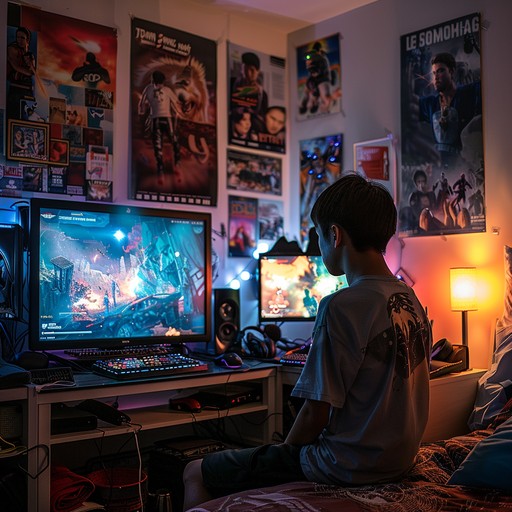
When Gaming Becomes More Than Fun: Recognizing the Early Signs of Video Game Addiction

Video games can be an enjoyable way to relax, connect with friends, challenge yourself, and take a break from daily stress. For some people, however, gaming can gradually become more than entertainment. When playing begins to interfere with sleep, relationships, work, school, responsibilities, or emotional health, it may be a sign of problematic gaming or video game addiction. Recognizing the early warning signs can make a meaningful difference. The sooner unhealthy gaming patterns are identified, the easier it may be to address underlying concerns, establish healthier routines, and seek professional support when needed.

What Is Video Game Addiction?

Video game addiction involves a persistent pattern of gaming that becomes difficult to control and begins causing significant problems in everyday life. The issue is not simply how many hours someone spends playing. Instead, it is the relationship a person has with gaming and whether they can maintain balance.

Someone may play games frequently without experiencing an addiction. Another person may spend less time gaming but still struggle because playing consistently takes priority over important responsibilities or relationships.

The key question is often simple: Is gaming still a choice, or does it feel increasingly difficult to stop?

Early Warning Signs of Video Game Addiction

Problematic gaming can develop gradually. In many cases, the early signs are subtle enough that they are easy to dismiss.

Losing Control Over Gaming

One of the clearest warning signs is difficulty limiting gaming. A person may decide to play for 30 minutes and continue for several hours. They may repeatedly promise themselves that they will cut back, only to return to the same routine.

This can become especially concerning when attempts to reduce gaming consistently fail.

Neglecting Responsibilities

Another important warning sign is when gaming starts taking priority over everyday obligations.

Someone may begin putting off:

  • Work assignments
  • School responsibilities
  • Household chores
  • Exercise
  • Personal hygiene
  • Appointments
  • Family commitments
  • Social activities

Occasional procrastination is common. However, consistently neglecting responsibilities because of gaming can indicate that the behavior is becoming disruptive.

Losing Sleep to Keep Playing

Sleep is often one of the first areas affected by excessive gaming. A person may stay awake late because they want to complete another level, finish a match, reach a new achievement, or continue interacting with other players.

Over time, inadequate sleep can contribute to fatigue, irritability, difficulty concentrating, and reduced emotional resilience. Those problems can then make everyday responsibilities more difficult, creating even more stress.

When Gaming Becomes an Emotional Escape

Gaming can provide a temporary escape from difficult emotions. That does not automatically make it unhealthy. Many people use entertainment to relax after a demanding day.

The concern arises when gaming becomes the primary or only way someone manages emotional discomfort.

Pay Attention to What Happens Before Gaming

Consider what typically happens immediately before an extended gaming session.

Does gaming become more appealing after:

  • An argument with a partner or family member?
  • A stressful day at work?
  • Feelings of loneliness?
  • Anxiety about social situations?
  • Sadness or disappointment?
  • Feelings of failure or low self-worth?
  • Boredom or a lack of purpose?

Understanding these triggers can reveal that the gaming behavior is connected to a deeper emotional need.

If someone consistently turns to gaming whenever difficult feelings arise, they may have fewer opportunities to develop other healthy coping strategies.

How Problematic Gaming Can Affect Relationships

Relationships can suffer when gaming begins taking priority over real world connections.

A partner may feel ignored. Parents may become concerned about a child’s withdrawal. Friends may stop inviting someone to activities because gaming repeatedly takes precedence.

Over time, these patterns can lead to frustration, conflict, isolation, and damaged trust.

Watch for Social Withdrawal

Some people struggling with excessive gaming gradually replace offline relationships with online interactions. Online friendships can be meaningful, but they should not necessarily come at the expense of family relationships, friendships, work connections, or community involvement.

A healthy life generally includes different forms of connection.

If someone increasingly prefers gaming to nearly every other social activity, it may be worth taking a closer look at why.

The Connection Between Gaming and Mental Health

Mental health and problematic gaming can influence one another.

Someone experiencing anxiety, depression, loneliness, or chronic stress may turn to gaming for relief. At the same time, excessive gaming can contribute to sleep problems, social isolation, neglected responsibilities, and increased stress.

This can create a cycle.

Breaking the Cycle Requires Looking Beneath the Behavior

Reducing gaming may help, but lasting change often requires understanding why the behavior became so important in the first place.

For example, a person who games excessively because they feel socially isolated may need opportunities to build meaningful relationships. Someone who games to escape anxiety may benefit from learning healthier ways to manage anxious thoughts and physical stress.

This is why individualized mental health treatment can be valuable. The goal is not simply to remove gaming. It is to help the person develop healthier ways to meet the emotional needs that gaming may have been fulfilling.

Practical Ways to Prevent Video Game Addiction

Prevention begins with healthy boundaries and awareness. Whether you are concerned about your own gaming habits or supporting someone you love, several practical strategies can help.

Establish Clear Limits

Decide in advance when gaming will take place and when it will stop. Using a timer or setting a specific stopping point can make limits more concrete.

It can also help to complete essential responsibilities before gaming rather than using gaming as the default activity whenever free time appears.

Protect Sleep

Create a technology free period before bedtime. Keep gaming devices away from the bed when possible, and maintain a consistent sleep schedule.

Better sleep supports emotional regulation, concentration, and decision making, all of which can make healthier habits easier to maintain.

Build a Balanced Routine

A healthy routine should include more than gaming. Make space for exercise, meals, work, education, family, friendships, hobbies, spiritual practices, and relaxation.

The more meaningful activities someone has in their daily life, the less likely gaming is to become their only source of enjoyment or achievement.

Learn Alternative Coping Skills

When stress or difficult emotions appear, try several different responses rather than automatically turning to a game.

Walking, exercising, journaling, talking with someone trustworthy, practicing mindfulness, praying, engaging in creative activities, or simply taking time away from screens can provide healthier ways to process emotions.

When Should Someone Seek Professional Help?

Professional support may be appropriate when gaming repeatedly causes serious problems or when a person cannot reduce their gaming despite wanting to change.

Warning signs that professional help may be needed include:

  • Repeated failed attempts to cut back
  • Significant relationship conflict
  • Declining work or school performance
  • Persistent sleep disruption
  • Increasing isolation
  • Severe irritability when unable to play
  • Loss of interest in other activities
  • Gaming used primarily to cope with emotional distress
  • Significant anxiety, depression, or other mental health concerns

Seeking help does not mean someone has failed. It means the problem deserves thoughtful attention and appropriate care.

Individualized Treatment Can Address the Bigger Picture

There is no single solution that works for everyone experiencing problematic gaming. Effective treatment should consider the individual’s emotional health, relationships, environment, personal history, coping skills, and goals.

Inpatient and Outpatient Care

Inpatient treatment may provide greater structure for individuals who need a stable environment away from unhealthy routines. Outpatient care can provide ongoing counseling and support while allowing individuals to remain involved in work, education, family, and other daily responsibilities.

The appropriate level of care depends on each person’s circumstances and clinical needs.

Holistic and Faith Based Approaches

Recovery can involve emotional, physical, relational, and spiritual well-being. Holistic approaches may help individuals develop healthier routines and reconnect with activities that support the whole person.

For those who value spirituality, faith based support can provide another meaningful source of purpose, hope, reflection, and connection. When combined with appropriate mental health care, spiritual practices may become part of a broader recovery plan.

Recovery Is About Building a Life Beyond the Screen

Recognizing video game addiction is not about labeling someone or taking away something they enjoy. It is about noticing when gaming has stopped fitting into a balanced life.

Healthy recovery focuses on what comes next.

That may mean rebuilding relationships, improving sleep, developing better emotional coping skills, returning to neglected responsibilities, discovering new interests, or reconnecting with personal values.

Gaming does not have to define a person’s identity or determine how they spend their time.

Take the First Step Toward Healthier Habits

Video game addiction can develop gradually, but early recognition creates an opportunity to make meaningful changes before the consequences become more serious. If gaming is beginning to interfere with relationships, responsibilities, sleep, or mental health, it is worth taking those concerns seriously.

Professional addiction recovery and mental health treatment can help individuals understand the patterns behind problematic gaming and develop a personalized path toward greater balance. With the right support, it is possible to build healthier coping skills, strengthen relationships, and rediscover purpose beyond the screen.

If gaming no longer feels like a choice and is beginning to control important areas of life, reaching out for professional support can be an important first step toward change.

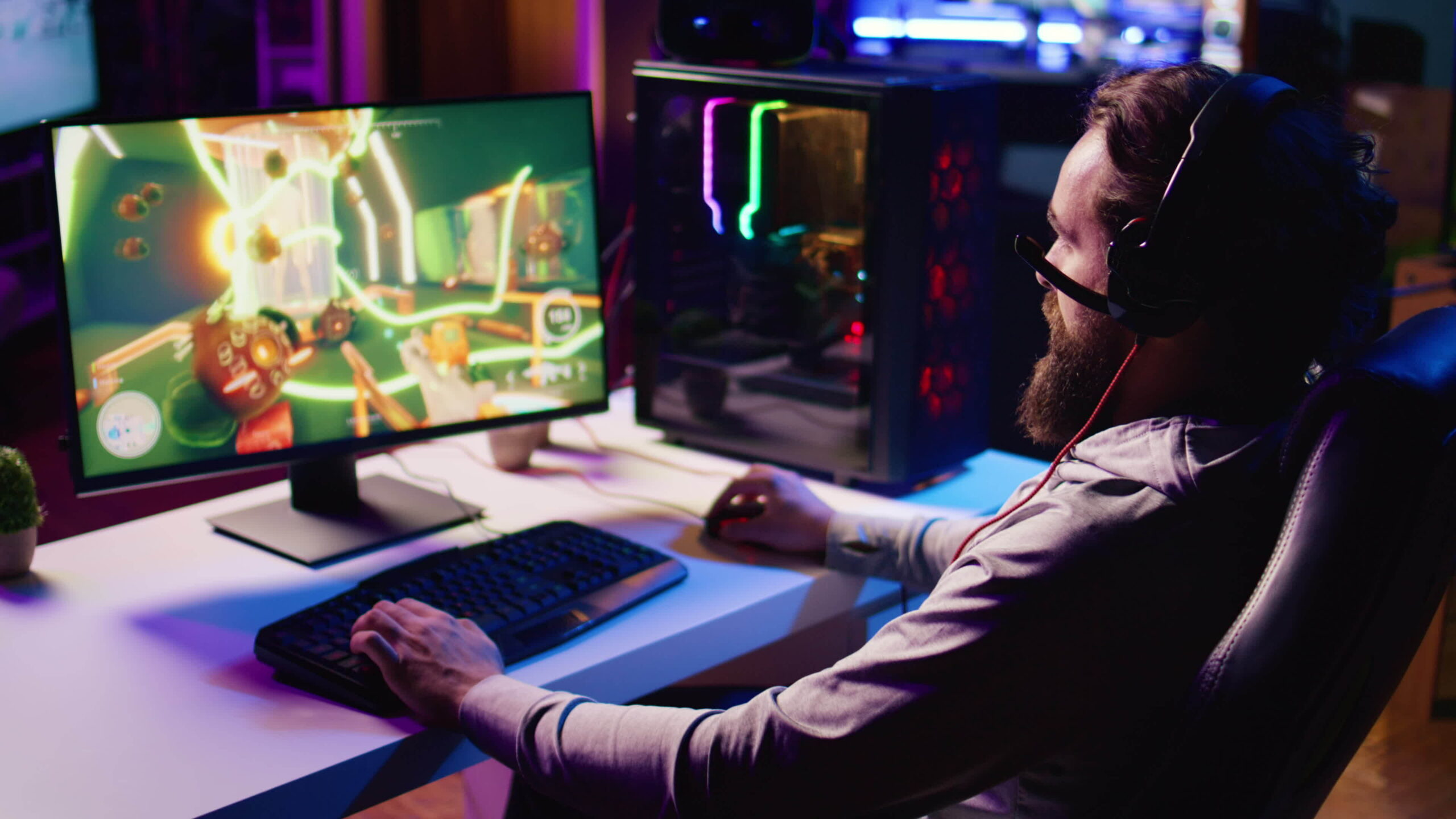
Finding Balance in a Digital World: Practical Ways to Prevent Video Game Addiction and Protect Mental Health

Video games can provide entertainment, creativity, social connection, and a welcome break from everyday stress. However, when gaming begins to interfere with sleep, relationships, work, school, responsibilities, or emotional health, it may be time to take a closer look at the role gaming plays in daily life. Preventing video game addiction is not about treating every gaming habit as a problem. It is about recognizing when recreational play is becoming difficult to control and developing healthier ways to manage time, emotions, and stress. With awareness, practical boundaries, and appropriate mental health support, individuals can build a healthier relationship with technology while protecting their overall well-being.

Understanding the Difference Between Gaming and Problematic Gaming

Gaming is a normal recreational activity for many people. Spending several hours playing occasionally does not automatically mean someone has an addiction. The concern develops when gaming becomes a persistent priority despite negative consequences.

Problematic gaming may involve difficulty stopping, repeated unsuccessful attempts to cut back, neglecting responsibilities, withdrawing from relationships, or relying on games as the primary way to cope with uncomfortable emotions.

Watch for Changes in Everyday Life

One of the most useful ways to recognize an unhealthy pattern is to look beyond the amount of time spent gaming.

Ask yourself:

  • Am I regularly sacrificing sleep to play?
  • Have I stopped participating in activities I once enjoyed?
  • Is gaming interfering with work, school, or household responsibilities?
  • Do I become unusually angry or anxious when I cannot play?
  • Do I use gaming primarily to escape stress, loneliness, sadness, or anxiety?
  • Have people close to me expressed concern about my gaming?
  • Have I tried to cut back but repeatedly returned to the same pattern?

These questions can help identify whether gaming is becoming a source of impairment rather than simply a form of entertainment.

Set Healthy Boundaries Around Screen Time

One of the most effective ways to prevent video game addiction is to establish boundaries before gaming becomes difficult to control. Clear limits reduce the need to make decisions in the moment, particularly when a game is designed to encourage continued participation.

Create Specific Gaming Times

Instead of gaming whenever there is free time, consider creating designated periods for it. Completing responsibilities first can help prevent gaming from gradually taking over the day.

For example, someone might decide that gaming is available only after work, school, exercise, meals, and essential household tasks are finished.

The goal is not perfection. The goal is consistency.

Protect Sleep

Late-night gaming can disrupt healthy sleep routines. Competitive games, stimulating content, and the desire to finish “just one more” match can make it difficult to stop.

Creating a technology free period before bedtime can help the mind transition toward rest. Keeping gaming devices away from the bedroom may also reduce temptation.

Healthy sleep is important for concentration, emotional regulation, stress management, and overall mental health.

Develop Healthy Ways to Manage Stress

For some people, excessive gaming is less about the game itself and more about what gaming provides emotionally.

A difficult day at work may create a desire to escape. Social anxiety may make online interaction feel easier than face to face connection. Feelings of failure may be temporarily replaced by achievement within a game.

Gaming can therefore become an emotional coping strategy.

Identify Your Triggers

Pay attention to when the urge to game becomes strongest. Is it after an argument? During periods of boredom? When feeling lonely? After a stressful day?

Once triggers become clearer, healthier alternatives can be developed.

Exercise, journaling, creative activities, meditation, spending time with supportive people, prayer, hobbies, and time outdoors can provide different ways to process difficult emotions.

The more coping tools a person has, the less likely one activity will become their only source of relief.

Make Real Life More Engaging

Healthy digital habits are easier to maintain when everyday life contains meaningful activities and relationships.

If gaming is the most rewarding part of the day, cutting back may initially feel like losing something important. Instead of focusing only on what needs to be removed, consider what needs to be added.

Reconnect With Relationships

Make time for family members, friends, coworkers, or community activities. Face to face relationships can provide emotional support and accountability that gaming cannot always replace.

Even small changes can matter. Eating a meal without screens, taking a walk with someone, joining a club, or calling a friend can begin rebuilding connection.

Pursue Purpose Beyond the Screen

Personal goals can also create a stronger sense of purpose. Learning a skill, exercising regularly, pursuing education, volunteering, creating art, or working toward professional goals can provide achievement and satisfaction outside gaming.

Recovery is not simply about spending less time online. It is about creating a life worth being present for.

Protect Your Mental Health

Mental health and gaming behavior can influence one another. Excessive gaming may contribute to isolation, sleep disruption, stress, and neglected responsibilities. At the same time, anxiety, depression, loneliness, or unresolved emotional difficulties may increase the desire to escape into gaming.

That is why addressing the underlying emotional concerns can be essential.

Do Not Ignore Persistent Emotional Changes

If someone is experiencing ongoing sadness, anxiety, irritability, social withdrawal, hopelessness, or significant changes in daily functioning, professional mental health support may be appropriate.

Treatment can help individuals understand the emotional factors behind unhealthy behaviors and develop practical coping skills that can be used long after treatment ends.

Know When Personal Strategies Are Not Enough

Healthy boundaries and lifestyle changes can be helpful, but they are not always sufficient. If a person repeatedly tries to control gaming and cannot, or if gaming is causing serious disruption to relationships, employment, education, or mental health, professional support may be necessary.

Seeking help does not mean someone has failed. It means the problem deserves the same thoughtful attention given to any other behavior that is affecting quality of life.

Individualized Treatment Can Address the Whole Person

Effective recovery should consider the individual rather than relying on a one size fits all approach. Treatment can explore gaming behavior alongside emotional health, relationships, stress, coping skills, personal history, and other factors that may influence recovery.

An individualized approach allows care to address the reasons behind problematic behavior instead of focusing exclusively on the behavior itself.

Inpatient and Outpatient Support

Different circumstances call for different levels of care.

Inpatient treatment can provide a structured environment for individuals who need intensive support and greater separation from unhealthy routines. Outpatient treatment can provide professional guidance while allowing individuals to continue managing work, school, family, and other daily responsibilities.

The appropriate level of care depends on the person’s needs and circumstances.

Consider a Holistic Approach to Recovery

Mental and emotional wellness involve more than changing one behavior. A holistic approach can encourage individuals to strengthen multiple areas of life, including physical health, relationships, emotional well-being, personal values, and spiritual life.

Faith Based Support Can Provide Meaning and Hope

For individuals who value spirituality, faith can be an important source of strength during recovery. Prayer, reflection, community, forgiveness, purpose, and hope may help people reconnect with values that extend beyond digital entertainment.

Faith based support can work alongside professional mental health treatment while respecting the individual’s beliefs and personal recovery goals.

Practical Steps for Building a Healthier Digital Life

Preventing video game addiction does not require eliminating technology altogether. Instead, focus on intentional use.

Consider these practical strategies:

  1. Set specific gaming periods instead of playing without limits.
  2. Avoid gaming when important responsibilities remain unfinished.
  3. Establish technology free periods during meals and before sleep.
  4. Keep gaming devices out of the bedroom when possible.
  5. Schedule regular physical activity.
  6. Make consistent time for family and friends.
  7. Identify emotional triggers that increase the urge to game.
  8. Develop several healthy coping strategies for stress.
  9. Monitor changes in sleep, mood, relationships, and productivity.
  10. Seek professional help when gaming becomes difficult to control.

These habits can provide structure while allowing people to enjoy technology in a healthier and more intentional way.

Finding Balance Is a Form of Self Care

Technology is now part of everyday life, so the goal is not necessarily to avoid screens completely. Instead, healthy digital living means deciding how technology fits into a broader and more fulfilling life.

When gaming remains one activity among many, it can be enjoyed without dominating a person’s time and attention. When it becomes the primary source of comfort, achievement, social connection, or escape, it may be time to reassess the relationship with gaming.

Most importantly, change is possible.

If video game use is affecting your mental health, relationships, responsibilities, or ability to enjoy life outside the screen, you do not have to navigate the situation alone. Professional addiction recovery and mental health treatment can provide compassionate guidance, structure, and individualized support.

Taking the first step may feel uncomfortable, but reaching out for help can open the door to healthier coping skills, stronger relationships, greater emotional balance, and a more purposeful life beyond the screen.

Caught in the Gaming Cycle? How Compulsive Play Can Affect Relationships, Work, and Well-Being

For many people, video games are a source of entertainment, connection, competition, and relaxation. However, gaming can become a problem when playing is no longer a choice but something a person feels unable to control. Compulsive gaming can gradually interfere with relationships, work, school, sleep, emotional health, and everyday responsibilities. Recognizing these patterns is an important first step toward change. With compassionate support and individualized treatment, people struggling with problematic gaming can learn healthier ways to manage emotions, rebuild relationships, and reconnect with life beyond the screen.

When Gaming Becomes More Than a Hobby

Gaming itself is not inherently harmful. Millions of people enjoy video games without experiencing significant problems. The concern begins when gaming consistently takes priority over important areas of life.

Someone experiencing compulsive gaming may find themselves playing longer than intended, repeatedly postponing responsibilities, or becoming distressed when they cannot play. Over time, gaming can become a primary way of coping with stress, loneliness, anxiety, frustration, or difficult emotions.

Common Warning Signs of Compulsive Gaming

Problematic gaming may involve several warning signs, including:

  • Losing track of time while playing
  • Repeatedly trying and failing to reduce gaming
  • Neglecting work, school, household responsibilities, or relationships
  • Staying awake late to continue playing
  • Becoming irritable when unable to game
  • Losing interest in hobbies or activities outside gaming
  • Using games primarily to escape uncomfortable emotions
  • Continuing to play despite negative consequences
  • Hiding or minimizing the amount of time spent gaming

One sign alone does not necessarily indicate an addiction. However, a persistent pattern of impaired control and meaningful disruption deserves attention.

How Compulsive Gaming Can Affect Relationships

Relationships often experience the consequences of excessive gaming before the person recognizes how serious the pattern has become.

Partners may feel ignored or emotionally disconnected. Parents may become frustrated when responsibilities are repeatedly neglected. Friends may stop reaching out when gaming consistently replaces social activities. Even when the individual does not intend to hurt anyone, repeated periods of withdrawal can create distance and resentment.

Rebuilding Trust Takes More Than Promising to Cut Back

When compulsive gaming has damaged relationships, simply saying, “I will play less,” may not be enough. Trust is rebuilt through consistent actions.

Recovery can involve learning how to communicate openly, recognize the impact of gaming on others, establish reasonable boundaries, and make time for meaningful relationships. Family support can also help loved ones understand the difference between supporting recovery and enabling unhealthy behavior.

Most importantly, recovery should not be approached as punishment. The goal is to help the individual develop a healthier and more connected life.

The Impact of Gaming on Work and Daily Responsibilities

Compulsive gaming can also affect professional and academic responsibilities. Late-night gaming may contribute to sleep deprivation, making it harder to concentrate or perform effectively the following day. Missed deadlines, reduced productivity, frequent lateness, and difficulty maintaining routines can eventually create serious consequences.

Sleep Can Become Part of the Cycle

Sleep disruption deserves particular attention. A person who regularly stays up to play may become exhausted during the day. Fatigue can increase stress and emotional vulnerability. In turn, gaming may become an appealing escape from that stress.

This creates a cycle:

Stress leads to gaming. Gaming delays sleep. Poor sleep increases stress. Increased stress creates a stronger desire to escape through gaming.

Breaking this pattern often requires more than simply turning off the console. It means addressing the emotional and behavioral factors that keep the cycle going.

Compulsive Gaming and Mental Health

Gaming can sometimes provide temporary relief from difficult emotions. For someone experiencing anxiety, depression, loneliness, low self-esteem, or chronic stress, the gaming environment may feel predictable and rewarding.

The problem is that temporary relief does not necessarily resolve the underlying issue.

When gaming becomes the primary coping mechanism, a person may have fewer opportunities to develop healthier strategies for handling difficult emotions. Avoiding problems can also allow them to become more overwhelming over time.

Look Beneath the Gaming Behavior

Effective mental health support asks an important question: What purpose is gaming serving in this person’s life?

For one individual, gaming may provide an escape from anxiety. For another, it may offer social connection or a sense of accomplishment that feels absent elsewhere. Someone else may use gaming to avoid painful memories, relationship problems, workplace stress, or feelings of inadequacy.

Understanding the underlying need allows treatment to become more individualized and meaningful.

Practical Strategies for Breaking the Gaming Cycle

Change does not have to happen all at once. Small, consistent steps can help a person regain control.

Establish Clear Gaming Boundaries

Instead of relying on willpower alone, create specific rules around when and where gaming takes place. For example, gaming can be scheduled after essential responsibilities are completed rather than being the first activity of the day.

Protect Sleep and Daily Routines

Set a consistent bedtime and create time away from gaming before sleep. Building predictable morning and evening routines can make it easier to restore structure.

Replace Gaming With Meaningful Activities

Reducing gaming creates space that needs to be filled. Exercise, creative activities, volunteering, hobbies, family time, social connection, spiritual practices, and outdoor activities can provide healthier sources of purpose and satisfaction.

Identify Emotional Triggers

Pay attention to what happens immediately before excessive gaming. Is it boredom? Stress? Loneliness? Conflict? Anxiety?

Identifying triggers can make it easier to choose a healthier response.

Seek Support Instead of Struggling Alone

If attempts to control gaming repeatedly fail, professional support can provide structure, accountability, and insight. Seeking help is not a sign of weakness. It is a practical step toward understanding the behavior and developing sustainable coping skills.

When Professional Treatment Can Help

For some people, problematic gaming is closely connected to broader mental health or behavioral concerns. In these situations, professional treatment can address more than the gaming itself.

Individualized care can explore emotional triggers, coping patterns, relationships, behavioral habits, and co-occurring mental health concerns. Treatment can then be tailored to the person’s circumstances, goals, and needs.

Inpatient and Outpatient Care

Different people require different levels of support.

Inpatient care may provide a structured environment for individuals who need greater stability, separation from harmful routines, and intensive therapeutic support. Outpatient care can provide ongoing treatment while allowing individuals to continue participating in work, school, family life, and other responsibilities.

The appropriate approach depends on the individual’s situation and clinical needs.

Holistic and Faith Based Support

Recovery involves the whole person. Alongside traditional therapeutic approaches, holistic strategies can help individuals develop healthier connections between emotional, physical, social, and spiritual well-being.

For individuals who value faith, spiritual support may also become an important part of the recovery process. Faith based care can encourage reflection, purpose, hope, forgiveness, and a renewed sense of connection.

These approaches should complement individualized treatment rather than replace professional mental health care.

Recovery Is About More Than Spending Less Time Gaming

A healthier relationship with gaming is not necessarily about eliminating every video game from someone’s life. For some people, the long-term goal may be learning how to engage with gaming in a controlled and balanced way. For others, taking an extended break may be necessary.

Either way, lasting recovery involves building a life that offers fulfillment outside the screen.

That means developing meaningful relationships, improving emotional coping skills, restoring healthy routines, pursuing personal goals, and finding activities that create genuine satisfaction.

When life becomes more rewarding, gaming no longer has to carry the entire emotional burden.

Taking the Next Step Toward Recovery

Compulsive gaming can quietly affect nearly every part of a person’s life. Relationships can become strained. Work and school performance can suffer. Sleep can deteriorate. Emotional problems may become harder to manage. Yet these patterns can change.

The most important step is recognizing when gaming has stopped being a healthy source of recreation and started becoming a source of harm. From there, compassionate professional support can help uncover the reasons behind the behavior and create a personalized path forward.

Recovery is not about shame, blame, or judgment. It is about understanding what is happening, developing healthier coping strategies, and creating a life where connection, purpose, and well-being extend far beyond the screen. If compulsive gaming is affecting your relationships, responsibilities, or mental health, reaching out for individualized support can be the beginning of meaningful change.

From Screen Time to Real Life: Healthy Strategies for Managing Excessive Gaming

Video games can be entertaining, social, and rewarding. For many people, gaming is a healthy way to relax after work or school, connect with friends, and enjoy a favorite hobby. The concern begins when screen time consistently replaces sleep, responsibilities, relationships, physical activity, or other meaningful parts of daily life. Excessive gaming can gradually become difficult to control, especially when games are being used to escape stress, anxiety, loneliness, or other emotional challenges. The good news is that healthier gaming habits are possible, and professional support can help individuals regain balance without shame or judgment.

Understanding Excessive Gaming

Playing video games frequently does not automatically mean someone has a gaming problem. The more important question is whether gaming is interfering with everyday functioning.

A person may be spending too much time gaming when they repeatedly struggle to stop, ignore important responsibilities, lose interest in other activities, or continue playing despite negative consequences. These patterns can affect mental health, relationships, education, employment, and physical wellness.

When Gaming Starts Affecting Daily Responsibilities

One of the clearest warning signs is a growing inability to manage ordinary responsibilities. Someone may regularly postpone homework, miss appointments, neglect household tasks, arrive late to work, or avoid important commitments because they want to continue playing.

Occasional distractions happen to everyone. However, a consistent pattern suggests that gaming may be taking up more space than it should.

When Gaming Becomes an Emotional Escape

Video games can provide a temporary break from difficult feelings. That can be helpful in moderation. However, problems can develop when gaming becomes the main way a person handles emotional discomfort.

Someone dealing with anxiety may play to avoid stressful situations. Someone experiencing loneliness may spend hours in online communities rather than building relationships offline. A person struggling with depression may find virtual achievements more satisfying than pursuing goals in everyday life.

In these situations, reducing gaming is only part of the solution. Understanding the emotions underneath the behavior is equally important.

How Excessive Gaming Can Affect Mental Health

Excessive gaming does not affect everyone in the same way. However, unhealthy gaming patterns can contribute to difficulties with sleep, mood, stress management, and social connection.

Sleep Disruption

Late-night gaming can make it difficult to maintain a consistent sleep schedule. Competitive matches, online conversations, and the desire to reach another milestone can make stopping feel especially difficult.

Poor sleep can then contribute to irritability, difficulty concentrating, low energy, and reduced emotional resilience. Establishing a consistent bedtime is therefore an important part of healthier gaming habits.

Increased Stress and Irritability

When gaming becomes a primary source of entertainment or emotional relief, interruptions may feel unusually frustrating. A person may become irritable when asked to stop or anxious when they cannot access a game.

Developing additional ways to relax can reduce this dependence and make everyday stress easier to manage.

Social Withdrawal

Online gaming can provide genuine social interaction, but it should not completely replace relationships outside the gaming environment. Excessive play may lead someone to decline invitations, avoid family activities, or spend less time with friends.

Healthy recovery involves rebuilding connections in multiple areas of life.

Practical Strategies for Managing Excessive Gaming

Changing gaming habits does not have to happen all at once. Small, consistent adjustments can create meaningful progress.

Set Specific Gaming Limits

Instead of deciding vaguely to “play less,” create a clear schedule. Determine when gaming is appropriate and when other responsibilities take priority.

For example, someone might decide to complete schoolwork, exercise, eat dinner, and finish household responsibilities before starting a gaming session.

A timer can also help create a clear stopping point. If stopping remains difficult, gradually reducing session length may be more realistic than attempting an immediate, drastic change.

Create Screen Free Times

Designate certain periods of the day as screen free. Mealtimes, family conversations, exercise, and the hour before bedtime can be useful starting points.

Keeping gaming devices outside the bedroom may also make it easier to protect sleep.

Take Meaningful Breaks

Long sessions can make time disappear. Schedule regular breaks to stand up, stretch, drink water, eat, or step outside.

These breaks are more effective when they involve actual physical movement rather than switching from one screen to another.

Replace Gaming With Meaningful Activities

Simply removing gaming can leave a significant gap in the daily routine. Instead, identify activities that provide enjoyment, accomplishment, relaxation, or connection.

Consider:

  • Exercise or recreational sports
  • Reading
  • Music and creative hobbies
  • Cooking
  • Outdoor activities
  • Volunteering
  • Spending time with family
  • Meeting friends in person
  • Learning a new skill
  • Mindfulness or meditation

The objective is to build a life that contains multiple sources of satisfaction.

Identify What Triggers Excessive Gaming

A useful recovery exercise is to pay attention to what happens immediately before a long gaming session.

Ask Yourself Important Questions

Consider:

  • Am I gaming because I am bored?
  • Am I trying to escape stress?
  • Did something upsetting happen today?
  • Am I feeling lonely or disconnected?
  • Do I feel anxious about a responsibility?
  • Am I avoiding an uncomfortable conversation?
  • Do I feel more successful in games than I do in everyday life?

Identifying triggers can reveal opportunities to develop healthier coping strategies.

For example, if stress consistently leads to excessive gaming, relaxation techniques, exercise, therapy, or talking with someone you trust may provide alternative ways to respond.

When Personal Strategies Are Not Enough

Some people can restore balance by changing their routines and establishing boundaries. Others need additional support, particularly when excessive gaming is connected to significant mental health concerns.

Professional treatment can provide a safe environment for understanding the behavior without reducing the individual to a label.

Individualized Mental Health Treatment

There is no single reason why someone develops unhealthy gaming habits. Treatment should therefore consider the person’s emotional health, relationships, personal history, responsibilities, and goals.

Individualized counseling can help identify patterns, address underlying concerns, and develop practical strategies for managing cravings, stress, difficult emotions, and behavioral triggers.

Inpatient and Outpatient Care

For individuals who need a highly structured environment, inpatient treatment can provide intensive support and dedicated time for recovery. Outpatient care may be appropriate for people who need professional guidance while continuing to live at home and maintain everyday responsibilities.

The appropriate level of care depends on individual circumstances and professional assessment.

Holistic Approaches

Recovery is about more than reducing screen time. Physical health, emotional wellness, relationships, purpose, and spiritual well-being can all influence long term progress.

Holistic approaches may incorporate healthy routines, physical activity, mindfulness, creative expression, nutrition, social connection, and other practices that support the whole person.

Faith Based Support

For individuals whose faith is an important part of their identity and healing process, spiritual support can provide encouragement, hope, purpose, and a stronger sense of connection.

Faith based care can complement professional mental health treatment while helping individuals explore their values and sources of meaning.

How Families Can Support Healthier Gaming

Families often notice excessive gaming before the individual recognizes the extent of the problem. A confrontational approach, however, may lead to defensiveness.

Instead, begin with compassion.

Talk about specific behaviors and consequences rather than making accusations. For example, explain that you are concerned about missed responsibilities, poor sleep, withdrawal from family activities, or changes in mood.

Establish Healthy Household Boundaries

Families can agree on reasonable expectations for gaming, homework, meals, sleep, chores, and family time. Consistency is important.

It can also help to create alternatives. Invite the individual to participate in activities that provide connection without making every interaction about gaming.

If conflict continues or the behavior becomes increasingly difficult to manage, family counseling can provide additional guidance.

Recovery Is About Building a Fuller Life

The goal of healthier gaming is not necessarily to eliminate video games completely. For many people, the healthier objective is balance.

Gaming can remain enjoyable when it occupies an appropriate place in life. The individual can play, then put the controller down and return to work, school, relationships, exercise, sleep, and personal goals.

That ability to choose is an important part of recovery.

When a person no longer depends on gaming as the primary source of pleasure or emotional relief, there is more room to discover what makes real life meaningful. Progress may involve reconnecting with family, rebuilding friendships, pursuing education, improving physical health, or rediscovering interests that were forgotten.

Conclusion

Excessive gaming can gradually shift from entertainment into a pattern that affects sleep, mental health, relationships, responsibilities, and overall quality of life. Recognizing the problem early creates an opportunity to make meaningful changes before those consequences become more serious.

Healthy gaming habits begin with realistic boundaries, better routines, meaningful offline activities, and an honest look at the emotions that may be driving excessive play. When anxiety, depression, loneliness, stress, or other concerns are involved, professional mental health support can address the deeper issues rather than focusing only on screen time.

Recovery does not have to be about shame or giving up everything you enjoy. It is about regaining control and creating a life where gaming is one part of a much larger picture.

If excessive gaming is interfering with your well-being or someone you love is struggling to regain balance, reaching out for professional support can be an important next step. Individualized addiction recovery services, mental health treatment, inpatient and outpatient care, holistic approaches, and faith based support can provide pathways toward healthier habits and lasting well-being.

The goal is not simply to spend fewer hours behind a screen. The goal is to have more freedom, stronger relationships, better coping skills, and a meaningful life beyond it.