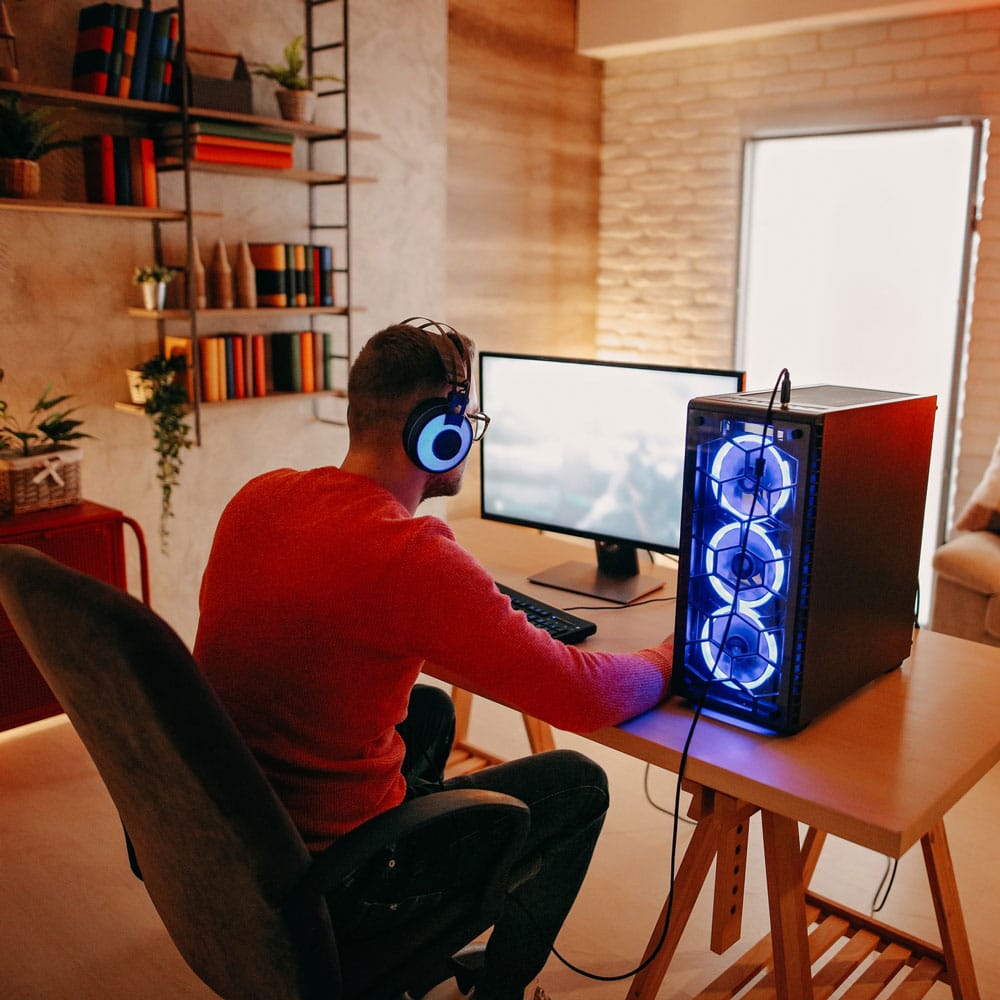
The Psychology Behind Excessive Gaming: What Your Gaming Habits May Reveal About Emotional Health

Video games can provide entertainment, connection, and a welcome break from everyday pressures. However, when gaming becomes the primary way to cope with stress, avoid difficult emotions, or escape personal challenges, it may reveal deeper concerns about emotional health. Excessive gaming does not automatically mean someone has an addiction, but when playing becomes difficult to control and begins affecting relationships, responsibilities, or mental well-being, it deserves attention. Understanding the psychology behind gaming habits can help individuals recognize unhealthy patterns, develop healthier coping skills, and find professional support when needed.

Why Do People Turn to Video Games?

Gaming can meet several psychological needs. Many games offer clear goals, immediate feedback, opportunities for achievement, and a sense of belonging. These experiences can be rewarding, especially when real life feels uncertain or overwhelming.

For someone facing academic pressure, workplace stress, relationship problems, or loneliness, gaming may provide temporary relief. The virtual environment can feel predictable and manageable compared with challenges that have no simple solution.

The concern develops when gaming becomes the main source of satisfaction or emotional comfort. Instead of helping someone recharge before returning to everyday life, it may gradually replace activities and relationships that support long term well-being.

The Appeal of Achievement and Control

Video games often reward persistence. Players can complete missions, improve their skills, earn recognition, and see measurable progress. These rewards may feel particularly meaningful to people who struggle with confidence or feel unsuccessful in other areas of life.

Real world goals, by comparison, often take longer to achieve. Career development, repairing relationships, and managing mental health concerns require patience and effort without guaranteed results.

Gaming is not inherently unhealthy because it offers a sense of accomplishment. However, if virtual achievements become the only reliable source of confidence, it may be helpful to explore what feels missing in everyday life.

The Need for Connection and Belonging

Online games can bring people together through shared interests, teamwork, and communication. For individuals who feel isolated, these communities may provide genuine friendship and social support.

Nevertheless, problems can arise when online interaction replaces nearly all other forms of connection. Someone may begin withdrawing from family activities, avoiding friends, or feeling increasingly uncomfortable in face to face situations.

The goal is not to dismiss online friendships. Instead, a healthy balance allows people to enjoy gaming communities while maintaining relationships and activities outside the screen.

What Excessive Gaming May Reveal About Emotional Health

Gaming habits sometimes reflect how a person responds to difficult emotions. Recognizing these connections can help individuals understand their behavior without judging themselves.

Gaming as an Escape From Stress and Anxiety

When life feels overwhelming, entering a game can temporarily quiet worries and redirect attention. This distraction may feel helpful after a demanding day.

However, if gaming becomes the automatic response to every stressful situation, the underlying concerns may remain unresolved. Someone might postpone a difficult conversation, ignore financial responsibilities, or avoid addressing anxiety because playing offers immediate relief.

Over time, the unfinished responsibilities can create more stress, which then increases the urge to escape through gaming.

Breaking this cycle begins with identifying stressful situations and developing alternative responses. Talking with a trusted person, practicing relaxation techniques, or seeking counseling can help individuals address the source of their distress.

The Connection Between Gaming and Depression

People experiencing depression may struggle with low motivation, reduced enjoyment, loneliness, or feelings of hopelessness. Gaming can offer temporary structure and stimulation when other activities seem difficult.

Yet excessive gaming may also contribute to disrupted sleep, reduced physical activity, and social withdrawal. These changes can make existing emotional difficulties harder to manage.

It is important not to assume that gaming causes depression in every case. The relationship can work in either direction, and both concerns may need attention.

If persistent sadness, loss of interest, changes in sleep, or difficulty managing daily responsibilities accompany problematic gaming, a mental health professional can help assess the situation and recommend appropriate care.

Avoiding Difficult Feelings

Sometimes, the most important question is not how much someone plays, but what they are trying not to feel.

Gaming may become a way to avoid grief, disappointment, conflict, shame, or uncertainty. Although distraction can be useful in moderation, consistently avoiding difficult emotions can prevent people from processing experiences and finding solutions.

Learning to recognize emotions without immediately escaping them is an important part of emotional wellness. Counseling can help individuals understand these feelings, identify triggers, and develop coping strategies that feel manageable in everyday life.

Warning Signs That Gaming Habits May Be Becoming Unhealthy

Not everyone who plays frequently has a gaming problem. The key is whether gaming becomes difficult to control and continues despite harmful consequences.

Consider whether any of the following patterns have become familiar:

  • Playing for longer than intended on a regular basis.
  • Repeatedly trying to reduce gaming time without lasting success.
  • Neglecting work, school, household duties, or personal care.
  • Staying up late gaming and feeling exhausted the next day.
  • Becoming unusually distressed or irritable when unable to play.
  • Using gaming to avoid nearly every uncomfortable emotion.
  • Withdrawing from family members, friends, or previously enjoyed activities.
  • Continuing to play even when relationships or responsibilities are suffering.

These signs are reasons to take a closer look, not grounds for shame. A qualified professional can help determine whether the behavior reflects problematic gaming, an underlying mental health concern, or a combination of factors.

How to Develop a Healthier Relationship With Gaming

Understanding the emotional reasons behind gaming is valuable, but lasting change also requires practical steps. Small, consistent adjustments can help individuals regain control over their time and attention.

Identify Your Gaming Triggers

Start by observing when you feel the strongest urge to play. Does it happen after an argument, during periods of boredom, when work feels difficult, or when you feel lonely?

Keep a simple record of the situation, your emotions, and how long you play. This information can reveal patterns that may otherwise go unnoticed.

Once you recognize your triggers, you can plan alternative responses. For example, if you usually start gaming after a stressful workday, try taking a walk, preparing a meal, or speaking with a friend before deciding whether to play.

Create Realistic Boundaries

Strict rules can be difficult to maintain if they do not reflect your circumstances. Instead, establish clear and achievable boundaries that protect important areas of your life.

Consider these strategies:

  • Decide how long you intend to play before starting a session.
  • Set an alarm to remind yourself when it is time to stop.
  • Complete essential responsibilities before gaming.
  • Protect your bedtime and avoid sessions that regularly interfere with sleep.
  • Schedule exercise, hobbies, and social activities throughout the week.
  • Take regular breaks for meals, movement, and rest.

If you repeatedly struggle to follow these boundaries, do not interpret that difficulty as a personal failure. It may indicate that additional support or a different approach would be beneficial.

Reconnect With Activities That Support Well Being

A balanced life needs more than restrictions. It also needs activities that provide enjoyment, meaning, and connection.

Try revisiting interests you once enjoyed, such as music, reading, sports, creative projects, volunteering, or spending time outdoors. Reconnecting with friends and family can also create opportunities for meaningful interaction beyond gaming.

For some individuals, mindfulness, prayer, or other spiritual practices offer comfort and perspective. The most useful activities are those that reflect personal interests, values, and needs.

Progress may feel gradual at first. Nevertheless, consistently making room for rewarding experiences outside gaming can help restore confidence and broaden the ways you manage stress.

When Professional Mental Health Support Can Help

If gaming continues to interfere with daily functioning despite repeated efforts to change, professional guidance may provide a clearer path forward. Support can be particularly valuable when excessive gaming occurs alongside anxiety, depression, family conflict, or other emotional challenges.

Individualized Counseling and Recovery Support

Counseling helps individuals examine the thoughts, emotions, and situations connected to their gaming habits. Depending on the person’s needs, treatment may incorporate cognitive behavioral therapy or other evidence informed approaches to strengthen emotional regulation, problem solving, and healthier routines.

A personalized treatment plan should consider the whole person rather than focus exclusively on screen time. This may include addressing mental health concerns, rebuilding relationships, improving sleep, and developing practical strategies for managing stress.

Outpatient counseling may be appropriate for individuals who can maintain their everyday responsibilities while attending scheduled sessions. More structured treatment, including inpatient care, may be considered when significant mental health concerns or other clinical needs require additional support. A qualified provider can help determine the most appropriate level of care.

Holistic and Faith Based Approaches

For some individuals, recovery also involves strengthening physical health, social connections, personal values, and spiritual well-being.

Holistic approaches may incorporate exercise, relaxation practices, healthier sleep routines, and meaningful daily activities. For people who value faith, faith based support can provide encouragement, community, and a renewed sense of purpose.

These approaches can complement professional mental health treatment. The aim is to create a recovery plan that respects each person’s circumstances, preferences, and goals.

Family members can also help by listening without judgment, expressing concerns calmly, and encouraging professional support when needed. Compassionate accountability is often more constructive than blame or punishment.

Take the Next Step Toward Emotional Balance

Excessive gaming can sometimes point to unmet emotional needs, difficulty managing stress, or mental health concerns that deserve attention. Recognizing these patterns is not a reason to feel ashamed. It is an opportunity to understand yourself more clearly and make changes that support a healthier future.

You do not have to give up every game you enjoy to improve your well-being. Instead, the goal is to regain control over your choices, strengthen relationships, and develop healthier ways to handle life’s challenges.

If gaming is affecting your mood, sleep, responsibilities, or relationships, consider reaching out to a qualified mental health professional. With compassionate guidance and individualized support, you can explore the reasons behind your habits and build practical strategies for lasting change.

Your life is bigger than the screen. Taking the first step toward support can help you rediscover connection, confidence, and a healthier sense of balance.

When Gaming Becomes a Daily Struggle: How to Recognize Problematic Gaming Before It Disrupts Your Life

Video games can offer entertainment, social connection, and a welcome escape from everyday stress. However, when gaming starts taking priority over sleep, relationships, work, school, or emotional well-being, it may be time to take a closer look at those habits. Problematic gaming often develops gradually, making it difficult to recognize when a favorite pastime has become a daily struggle. By understanding the warning signs early, individuals and families can take practical steps to restore balance, protect mental health, and seek professional support when needed.

What Is Problematic Gaming?

Problematic gaming occurs when playing video games becomes difficult to control and begins interfering with important areas of life. It is not simply about spending many hours playing. The more important question is whether gaming continues despite negative consequences and whether a person struggles to reduce or manage their time spent playing.

For some people, gaming provides a sense of achievement, connection, or relief from stress. Over time, however, it can become the main way they cope with uncomfortable emotions or challenging circumstances.

Recognizing this pattern does not mean someone should feel ashamed. Instead, it creates an opportunity to understand what is happening and make healthier choices before the consequences become more serious.

7 Warning Signs That Gaming May Be Becoming a Problem

The early signs of problematic gaming can be subtle. Paying attention to changes in daily routines, emotional responses, and relationships can help individuals identify concerns before they become overwhelming.

1. Losing Track of Time While Gaming

One common warning sign is repeatedly playing longer than intended. A person might plan to play for an hour but continue for several more, even when they have other responsibilities.

Occasional long gaming sessions are not necessarily a problem. However, regularly losing control over playing time may indicate that healthier boundaries are needed.

2. Neglecting Everyday Responsibilities

Problematic gaming can affect performance at work or school, household duties, personal hygiene, and other essential tasks. Deadlines may be missed, appointments forgotten, and responsibilities postponed because gaming feels more urgent or rewarding.

If these patterns continue, it may be helpful to examine how gaming fits into the person’s daily routine and what makes it difficult to stop.

3. Experiencing Irritability When Unable to Play

Some individuals become frustrated, restless, or anxious when they cannot access their games. They may react strongly when someone interrupts a session or asks them to reduce their screen time.

These reactions can have several causes, so they should not automatically be interpreted as proof of addiction. Nevertheless, persistent distress around stopping or limiting gaming deserves attention.

4. Using Gaming to Avoid Difficult Emotions

Gaming can offer temporary relief from loneliness, anxiety, sadness, or stress. The concern arises when it becomes the primary response to these feelings.

For example, someone experiencing conflict at home may spend hours gaming to avoid uncomfortable conversations. Although this can provide short-term distraction, the underlying problem remains unresolved.

Over time, avoidance can make emotional difficulties harder to manage.

5. Sacrificing Sleep and Physical Health

Late-night gaming can disrupt sleep schedules and leave people feeling exhausted the next day. Extended sessions may also contribute to skipped meals, reduced physical activity, and less time outdoors.

Healthy sleep, regular meals, and movement support both physical and emotional well-being. When gaming consistently interferes with these basics, it is worth reconsidering existing habits.

6. Withdrawing From Friends and Family

Online gaming can create meaningful friendships, but excessive play may reduce opportunities for in-person interaction and other activities. Someone may repeatedly cancel plans, avoid family conversations, or lose interest in hobbies they previously enjoyed.

The issue is not whether a person prefers online friendships. Instead, it is whether gaming leaves them feeling increasingly isolated or prevents them from maintaining relationships that matter to them.

7. Trying to Cut Back Without Success

Perhaps the clearest warning sign is repeatedly attempting to reduce gaming time without being able to maintain those changes.

Someone may uninstall a game, establish a strict schedule, or promise to stop playing late at night, only to return to the same pattern. If this cycle continues and gaming is affecting daily life, professional guidance may help identify the barriers to change.

How Problematic Gaming Can Affect Mental Health

Problematic gaming and mental health can influence each other in complex ways. Excessive gaming may contribute to stress, isolation, and sleep difficulties. At the same time, emotional distress can make gaming feel like an appealing escape.

Anxiety, Depression, and Emotional Distress

People experiencing anxiety or depression may turn to gaming because it offers distraction, structure, or a sense of accomplishment. However, when gaming replaces other coping strategies, it may become harder to address the original source of distress.

Missing responsibilities, experiencing relationship conflict, or feeling guilty about gaming can create additional emotional pressure. This can lead to a cycle in which distress encourages more gaming, and the consequences of gaming create further distress.

A mental health professional can help determine whether anxiety, depression, or another concern is contributing to the pattern. Addressing these concerns alongside gaming habits can support more sustainable progress.

Stress, Motivation, and Self-Esteem

Games often provide clear goals, immediate feedback, and measurable achievements. In comparison, everyday responsibilities can feel complicated or unrewarding, particularly when someone is already struggling emotionally.

As gaming takes up more time, individuals may begin to feel less confident about their ability to manage real-life challenges. Rebuilding confidence often involves setting manageable goals, celebrating progress, and developing skills for handling frustration without relying entirely on gaming.

Practical Ways to Restore Balance Before Gaming Takes Over

Recognizing problematic gaming is an important first step. The next step is making realistic changes that support a healthier relationship with gaming and everyday life.

Establish Clear and Achievable Boundaries

Start by observing when and why gaming sessions become longer than planned. Tracking gaming time for a week can reveal patterns related to boredom, stress, loneliness, or particular times of day.

Then, consider these practical strategies:

  • Set a realistic time limit before starting a gaming session.
  • Use an alarm or reminder to signal when it is time to stop.
  • Complete important responsibilities before playing.
  • Keep a consistent bedtime and avoid gaming when it regularly disrupts sleep.
  • Schedule meals, physical activity, and social time throughout the week.
  • Take regular breaks and notice how gaming affects your mood.

If these changes prove difficult to maintain, avoid treating the struggle as a personal failure. It may indicate that additional support would be useful.

Find Healthier Ways to Manage Stress

Reducing excessive gaming is easier when other activities provide relaxation, enjoyment, and connection. Consider walking, exercising, listening to music, reading, practicing mindfulness, or spending time with supportive friends.

For some individuals, journaling or speaking with a trusted person can make difficult emotions easier to understand. Others may benefit from creative activities, community involvement, or spiritual practices that reflect their personal beliefs.

The goal is not necessarily to eliminate gaming completely. Rather, it is to build a life in which gaming is one activity among many, instead of the primary way to manage emotions.

When Should You Seek Professional Help?

Professional support may be appropriate when gaming repeatedly disrupts responsibilities, damages relationships, affects sleep, or becomes difficult to control despite serious attempts to change.

You do not need to wait until a crisis develops. Early support can help individuals understand their behavior and address related mental health concerns before the effects become more disruptive.

Individualized Counseling and Treatment

Counseling can help people identify triggers, understand the emotional purpose of gaming, and develop healthier coping skills. Depending on individual circumstances, treatment may include cognitive behavioral therapy or other evidence informed approaches.

A personalized treatment plan may also address anxiety, depression, family conflict, or other challenges that contribute to problematic gaming.

The appropriate level of care varies. Outpatient treatment may provide regular therapeutic support while a person continues managing everyday responsibilities. Inpatient care may be considered when significant mental health concerns or other clinical needs call for a more structured setting. A qualified professional can help determine the most suitable option.

Holistic and Faith Based Support

Recovery can also involve strengthening physical health, emotional resilience, relationships, and personal purpose. Holistic approaches may include healthy routines, stress management, mindfulness, exercise, and meaningful social connection.

For people who value spirituality, faith based support may offer encouragement, community, and a renewed sense of direction. These practices can complement professional treatment and should be tailored to the individual’s preferences and needs.

Family members can contribute by expressing concerns calmly, listening without judgment, and encouraging professional guidance rather than relying on blame or punishment.

Take the First Step Toward a Healthier Relationship With Gaming

Problematic gaming does not have to define someone’s future. Recognizing the warning signs, understanding the emotional factors involved, and developing healthier daily habits can help restore balance and improve quality of life.

If gaming is affecting your mental health, relationships, or ability to meet everyday responsibilities, consider reaching out to a qualified professional. With compassionate support and an individualized approach, it is possible to address underlying challenges, rebuild confidence, and discover more fulfilling ways to spend your time.

You do not have to wait until gaming disrupts every part of your life to ask for help. Taking the first step today can open the door to healthier habits, stronger relationships, and a more balanced future.

Beyond the Game: How Professional Support Can Help Rebuild Balance After Compulsive Gaming

When video gaming begins to interfere with relationships, work, education, sleep, or emotional well-being, it may be time to look beyond the screen for support. Compulsive gaming can gradually become a way to escape stress, manage difficult emotions, or cope with loneliness. Although gaming itself is not inherently harmful, losing control over gaming habits can create challenges that are difficult to resolve alone. With professional support, individuals can understand the reasons behind their behavior, develop healthier coping strategies, and rebuild a balanced, fulfilling life.

Understanding Compulsive Gaming and Its Impact

Video games offer entertainment, social connection, and opportunities to develop skills. For many people, gaming is a healthy hobby. However, problems can arise when playing consistently takes priority over important responsibilities or continues despite negative consequences.

Compulsive gaming may develop gradually. Someone might initially play to relax after a difficult day, but over time, gaming sessions may become longer and harder to control. Responsibilities get postponed, relationships become strained, and everyday activities begin to feel less rewarding than time spent online.

Recognizing the Warning Signs

Understanding the signs of problematic gaming is an important first step toward recovery. Warning signs may include:

  • Spending more time gaming than intended, even after trying to cut back.
  • Neglecting work, school, household responsibilities, or personal relationships.
  • Feeling irritable, anxious, or restless when unable to play.
  • Using gaming to avoid stress, sadness, conflict, or uncomfortable emotions.
  • Losing sleep or skipping meals because of extended gaming sessions.
  • Continuing to play despite repeated concerns from family members or friends.
  • Feeling guilty about gaming habits but struggling to make lasting changes.

Experiencing one of these signs does not automatically mean someone has a gaming disorder. However, persistent patterns that interfere with daily functioning deserve attention. A qualified mental health professional can help determine what is happening and recommend appropriate support.

Why Breaking the Gaming Cycle Can Be Difficult

Compulsive gaming is not simply a matter of lacking discipline. For some individuals, gaming becomes closely connected to emotional needs, daily routines, and ways of managing stress. Understanding these connections can make recovery more effective and compassionate.

Gaming as an Escape From Stress

Gaming can provide a temporary sense of achievement, distraction, or control. When someone feels overwhelmed by work, family problems, anxiety, or low self-esteem, entering a virtual world may offer relief.

The difficulty begins when that relief becomes the primary way to cope. Problems that remain unresolved can create additional stress, making gaming feel even more necessary. As a result, a cycle develops in which emotional distress encourages excessive gaming, and excessive gaming creates further emotional and practical difficulties.

The Connection Between Gaming and Mental Health

Compulsive gaming may occur alongside anxiety, depression, loneliness, or other mental health concerns. For example, someone who feels disconnected from others may rely heavily on online gaming communities for social interaction. Another person may use gaming to avoid painful thoughts or difficult life circumstances.

These experiences do not mean gaming is always the original cause of emotional distress. Sometimes, mental health challenges contribute to problematic gaming, while gaming-related consequences make those challenges worse.

Professional assessment helps identify the relationship between gaming habits and emotional well-being. Addressing both concerns can provide a stronger foundation for lasting improvement.

How Professional Support Helps Restore Balance

Professional support offers more than advice to spend less time playing. It helps individuals understand their behavior, identify underlying concerns, and build practical skills that support long-term change.

Individualized Counseling and Behavioral Strategies

Counseling provides a confidential setting to explore the role gaming plays in someone’s life. Rather than relying on shame or punishment, a therapist can help identify emotional triggers, unhelpful thought patterns, and situations that make it difficult to maintain boundaries.

Depending on individual needs, treatment may incorporate cognitive behavioral therapy or other evidence-informed approaches. These methods can help people recognize patterns, develop healthier responses to stress, and practice making intentional choices.

For example, someone who automatically starts gaming after a stressful interaction might learn to pause, identify the emotion involved, and choose another response. Taking a walk, calling a trusted friend, journaling, or practicing a relaxation technique can gradually create alternatives to excessive gaming.

Treating Underlying Mental Health Concerns

When anxiety, depression, trauma-related symptoms, or other mental health concerns contribute to compulsive gaming, these issues should not be overlooked.

A personalized treatment plan may include mental health counseling, coping skills development, and additional clinical support when appropriate. Treating underlying concerns can reduce the need to rely on gaming as the main source of emotional relief.

It is also important to recognize that recovery looks different for everyone. Some individuals may benefit from reducing gaming and establishing firm limits, while others may need a more structured approach. Treatment goals should reflect the person’s circumstances, needs, and progress.

Rebuilding Healthy Habits Outside the Screen

Professional treatment is most effective when therapeutic insights translate into everyday routines. Rebuilding balance means creating a life that offers connection, purpose, and enjoyment beyond gaming.

Establishing Realistic Gaming Boundaries

Sudden, unrealistic restrictions can be difficult to maintain, especially when gaming has become a central part of daily life. A more practical approach begins with identifying current habits and setting achievable goals.

Consider these steps:

  • Track how much time you spend gaming and when you are most likely to play for extended periods.
  • Set clear stopping times and use reminders to help maintain them.
  • Keep gaming away from bedtime if it interferes with sleep.
  • Complete essential responsibilities before starting a gaming session.
  • Schedule regular breaks for meals, movement, and social interaction.
  • Review your progress each week and adjust your goals when necessary.

For some people, stronger boundaries or temporary breaks may be helpful. A therapist can assist in determining which approach is appropriate and how to manage setbacks without abandoning the recovery process.

Reconnecting With Relationships and Personal Interests

Compulsive gaming can gradually reduce opportunities for meaningful connection. Rebuilding relationships may involve spending time with family, reconnecting with friends, or participating in activities that were neglected.

Physical exercise, creative hobbies, volunteering, outdoor activities, and community involvement can introduce new sources of satisfaction. These activities do not need to replace every aspect of gaming. Instead, they help create a more balanced routine in which gaming is no longer the main source of enjoyment or emotional relief.

Family members can also play a constructive role by communicating concerns respectfully, establishing reasonable expectations, and recognizing progress. Supportive accountability is generally more helpful than humiliation, threats, or constant arguments.

The Role of Holistic and Individualized Recovery

Lasting recovery involves more than changing one behavior. It also means supporting emotional, physical, social, and, when important to the individual, spiritual well-being.

A holistic approach may incorporate stress management, regular physical activity, healthier sleep habits, mindfulness, and opportunities for meaningful connection. For individuals who value spirituality, faith-based support may provide a sense of purpose, community, and encouragement during difficult periods.

These approaches can complement professional mental health care, rather than replace it. The goal is to help each person develop a recovery plan that reflects their values, challenges, strengths, and personal goals.

When Inpatient or Outpatient Care May Help

The appropriate level of care depends on the severity of the problem and its impact on daily life. Outpatient counseling may be suitable for individuals who can continue managing their regular responsibilities while attending scheduled treatment sessions.

More structured care may be worth exploring when compulsive gaming occurs alongside significant mental health difficulties, serious disruption to daily functioning, or other concerns that require closer professional support. Inpatient treatment is not necessary for everyone experiencing gaming problems, and recommendations should follow an appropriate clinical assessment.

The important step is to seek guidance rather than assume that the problem must be handled alone. A qualified provider can help determine which services best match an individual’s needs.

Moving Forward With Professional Help

Recovery from compulsive gaming is not about judging someone for enjoying video games. It is about recognizing when a habit has become difficult to control and taking practical steps to restore well-being. Progress may include better sleep, improved relationships, more consistent responsibilities, and healthier ways to manage difficult emotions.

Setbacks can happen, but they do not erase progress. With appropriate support, individuals can learn from difficult moments, strengthen their coping skills, and continue moving toward their goals.

If gaming is taking over your time, affecting your mental health, or creating conflict in your relationships, consider reaching out to a professional for guidance. Compassionate, individualized care can help you understand the challenges you are facing and identify a realistic path forward.

Life beyond the game can offer connection, purpose, and renewed confidence. Taking the first step toward support can help you begin rebuilding that balance, one decision at a time.

Gaming, Stress, and Emotional Health: Healthy Ways to Break the Cycle Before It Takes Over

Gaming can be a welcome escape after a stressful day. For many people, video games offer entertainment, social connection, achievement, and a chance to temporarily step away from everyday pressures. The concern begins when gaming becomes the main way a person manages stress or difficult emotions. Over time, excessive gaming can interfere with sleep, relationships, responsibilities, and mental health. Understanding the connection between gaming, stress, and emotional health can help individuals recognize unhealthy patterns early and take practical steps toward a more balanced life.

Why Stress Can Lead to Excessive Gaming

Stress affects everyone differently. Some people exercise, talk with friends, spend time outdoors, pray, or engage in creative activities. Others turn to screens because gaming provides immediate distraction from whatever is happening in their lives.

Video games can create a strong sense of focus. A player has specific objectives, immediate feedback, and opportunities to improve. Compared with real life, where problems may be complicated and solutions may take time, a game can provide a temporary feeling of control.

That relief can be appealing when someone is dealing with relationship conflict, work pressure, financial concerns, loneliness, anxiety, grief, or other challenges.

There is nothing inherently wrong with using gaming as recreation. However, problems can develop when gaming becomes the primary coping strategy.

When Gaming Becomes an Emotional Escape

Healthy recreation should generally leave room for other important areas of life. If gaming becomes the activity a person depends on whenever uncomfortable emotions appear, it can gradually become a form of avoidance.

Avoiding Difficult Feelings

A person may start gaming immediately after an argument, stressful workday, disappointing experience, or emotionally difficult conversation. The game provides something else to focus on, which can make uncomfortable thoughts temporarily quieter.

The difficulty is that the underlying problem remains.

If someone repeatedly avoids anxiety, sadness, anger, loneliness, or disappointment through gaming, they may have fewer opportunities to develop healthier emotional coping skills. Eventually, the person may feel increasingly dependent on gaming whenever life becomes difficult.

Seeking Control and Achievement

Stress can make life feel uncertain. Gaming often provides clear goals and measurable progress. Completing a mission, improving a character, winning a match, or reaching a new level can create a sense of achievement.

For someone who feels unsuccessful or overwhelmed in other parts of life, these experiences may become especially rewarding.

The problem is not wanting to feel successful. The concern arises when virtual accomplishments begin replacing meaningful progress in relationships, work, education, personal goals, or emotional recovery.

How Excessive Gaming Can Affect Emotional Health

The relationship between gaming and mental health is not always straightforward. Emotional difficulties can contribute to excessive gaming, while excessive gaming can also contribute to circumstances that make emotional health more difficult.

Anxiety and Irritability

Gaming may temporarily distract someone from anxious thoughts. However, if gaming interferes with sleep, responsibilities, or relationships, additional stress can develop.

A person may become irritable when asked to stop playing, anxious about falling behind in a game, or overwhelmed by responsibilities that have been postponed. This can create a cycle in which gaming is used to escape stress that gaming itself is helping to create.

Low Mood and Isolation

Someone experiencing low mood may find gaming easier than participating in everyday activities. A game can provide stimulation and a predictable environment when real life feels exhausting.

However, spending excessive amounts of time alone with a screen can reduce opportunities for meaningful social contact and healthy activities. Reduced connection can then contribute to feelings of loneliness or low mood.

Sleep Disruption

Late-night gaming is another common concern. A person may continue playing because they want to complete one more match, reach another level, or stay connected with other players.

Consistently sacrificing sleep can affect concentration, patience, motivation, and emotional regulation. Protecting sleep is therefore an important part of maintaining healthy gaming habits.

Recognizing the Gaming and Stress Cycle

A useful way to understand problematic gaming is to look at the cycle surrounding it.

A person experiences stress. They turn to gaming for relief. The gaming provides temporary comfort. Responsibilities or relationships are neglected. New problems develop. Those problems create more stress. The person then returns to gaming for another escape.

Breaking this cycle requires more than simply reducing screen time.

Identify Your Triggers

Pay attention to what happens before excessive gaming begins.

Ask yourself:

  • Am I stressed, lonely, angry, anxious, or sad?
  • Did something happen that I do not want to think about?
  • Am I avoiding a responsibility?
  • Do I feel overwhelmed by a situation I cannot control?
  • Am I gaming because I genuinely want to play, or because I want to stop thinking about something?

Identifying triggers can reveal what needs attention beneath the gaming behavior.

Healthy Ways to Manage Stress Without Relying on Gaming

Replacing an unhealthy coping pattern requires realistic alternatives. Telling someone to simply stop gaming rarely addresses why the behavior became important in the first place.

Create a Balanced Daily Routine

A consistent routine can help restore stability. Set reasonable times for sleeping, eating, working or studying, exercising, socializing, relaxing, and gaming.

Gaming can remain part of a healthy lifestyle when it does not consistently take priority over essential responsibilities and relationships.

Take Regular Breaks

Instead of waiting until you have already spent hours gaming, decide in advance when you will stop. Alarms, scheduled breaks, and screen-free periods can make boundaries easier to maintain.

It can also help to keep gaming away from bedtime so that sleep remains a priority.

Develop Other Stress Management Skills

Healthy coping strategies give you alternatives when stress appears. Depending on your needs and interests, these might include:

  • Walking or exercising
  • Spending time outside
  • Talking with someone you trust
  • Journaling
  • Reading
  • Practicing mindfulness
  • Prayer or other spiritual practices
  • Creative hobbies
  • Attending counseling or support groups
  • Spending meaningful time with family and friends

The goal is not to eliminate every difficult emotion. It is to develop healthier ways to experience and manage those emotions.

When Professional Help May Be Appropriate

Sometimes excessive gaming is only one part of a larger problem. A person may also be struggling with depression, anxiety, trauma, substance use, family conflict, or another mental health concern.

Professional treatment can help uncover those underlying issues.

Signs that additional support may be appropriate include repeatedly trying to reduce gaming without success, experiencing serious relationship problems, neglecting work or school, losing sleep regularly, withdrawing from others, or using gaming almost exclusively to cope with emotional distress.

A mental health or addiction professional can help identify contributing factors and create a treatment plan based on the individual’s circumstances.

Why Individualized Care Matters

There is no single reason why someone develops unhealthy gaming habits. Consequently, there should not be one universal approach to recovery.

For some individuals, outpatient counseling may provide the structure and accountability they need. Others may benefit from more intensive inpatient treatment, particularly when excessive gaming occurs alongside significant mental health or behavioral health concerns.

Individualized care can address the whole person rather than focusing exclusively on gaming behavior. Treatment may explore emotional health, relationships, daily routines, coping skills, personal goals, and other factors that influence recovery.

Supporting the Whole Person

A holistic approach recognizes that emotional wellness involves more than one part of life. Physical health, relationships, mental health, personal values, purpose, and spiritual well-being can all influence recovery.

For individuals who value faith, faith-based support can also be meaningful. Prayer, spiritual reflection, Scripture, and connection with a supportive faith community may provide additional sources of hope and purpose alongside appropriate clinical care.

The objective is not simply to remove gaming. It is to help individuals develop a life that provides healthier sources of connection, achievement, purpose, and satisfaction.

Breaking the Cycle Before It Takes Over

Gaming can be enjoyable without becoming harmful. The key is maintaining balance and recognizing when gaming has shifted from recreation to emotional avoidance.

If you notice that you consistently reach for a controller or computer whenever stress appears, take a moment to consider what may be happening underneath the habit. You may not need to eliminate gaming completely, but you may need additional ways to manage difficult emotions and respond to life’s challenges.

When gaming begins affecting your mental health, relationships, sleep, or responsibilities, asking for help is a sign of awareness, not failure. Professional addiction recovery and mental health treatment can provide the support needed to understand unhealthy patterns and build more effective coping skills.

You do not have to wait for the problem to become overwhelming. Taking the first step toward professional support can help you regain control, reconnect with the people and activities that matter, and develop a healthier relationship with gaming. Recovery is possible, and with individualized care, difficult emotions can become something you learn to manage rather than something you have to escape.