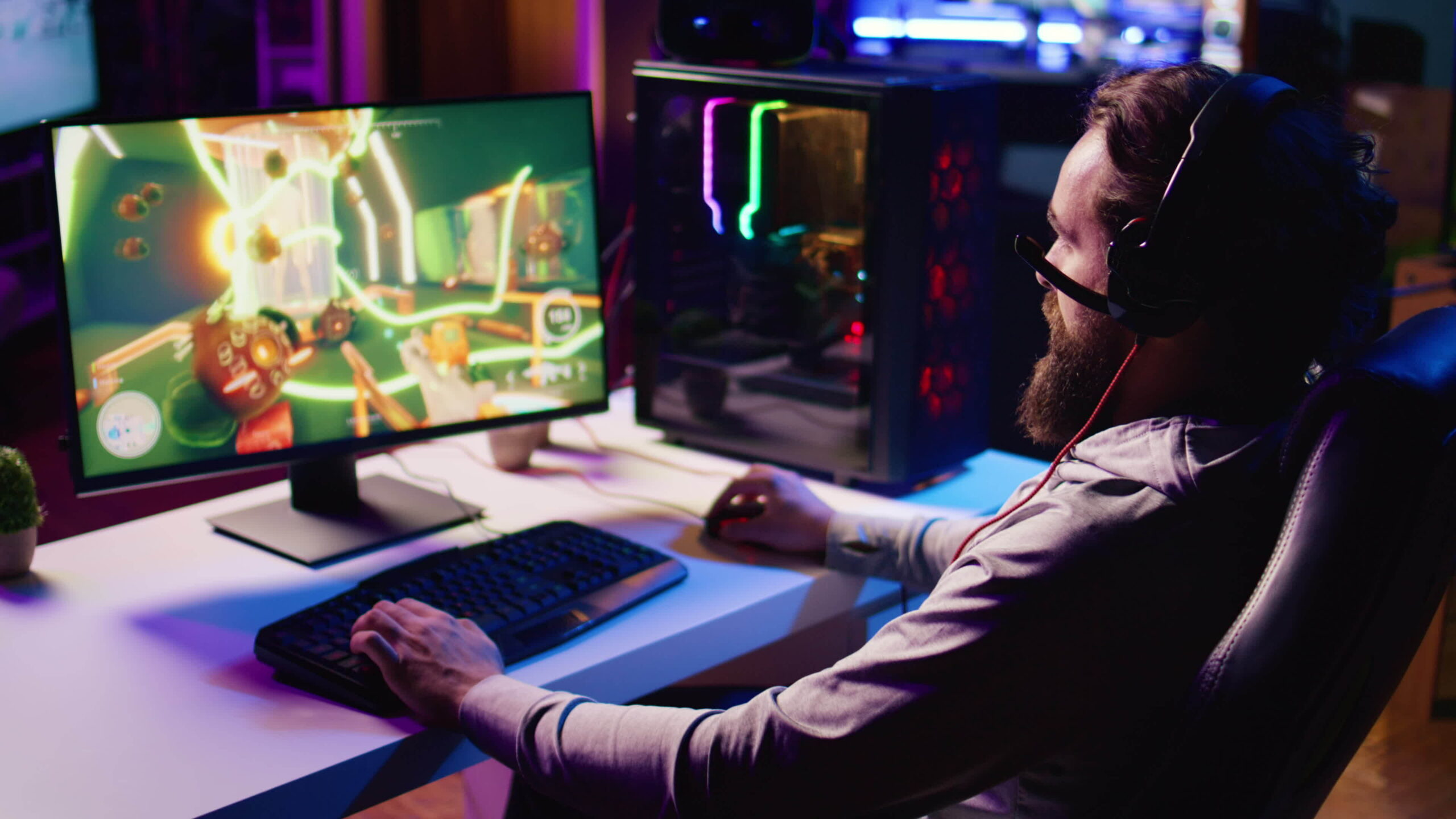
 For many people, video games are a source of entertainment, connection, competition, and relaxation. However, gaming can become a problem when playing is no longer a choice but something a person feels unable to control. Compulsive gaming can gradually interfere with relationships, work, school, sleep, emotional health, and everyday responsibilities. Recognizing these patterns is an important first step toward change. With compassionate support and individualized treatment, people struggling with problematic gaming can learn healthier ways to manage emotions, rebuild relationships, and reconnect with life beyond the screen.
When Gaming Becomes More Than a Hobby
Gaming itself is not inherently harmful. Millions of people enjoy video games without experiencing significant problems. The concern begins when gaming consistently takes priority over important areas of life.
Someone experiencing compulsive gaming may find themselves playing longer than intended, repeatedly postponing responsibilities, or becoming distressed when they cannot play. Over time, gaming can become a primary way of coping with stress, loneliness, anxiety, frustration, or difficult emotions.
Common Warning Signs of Compulsive Gaming
Problematic gaming may involve several warning signs, including:
- Losing track of time while playing
- Repeatedly trying and failing to reduce gaming
- Neglecting work, school, household responsibilities, or relationships
- Staying awake late to continue playing
- Becoming irritable when unable to game
- Losing interest in hobbies or activities outside gaming
- Using games primarily to escape uncomfortable emotions
- Continuing to play despite negative consequences
- Hiding or minimizing the amount of time spent gaming
One sign alone does not necessarily indicate an addiction. However, a persistent pattern of impaired control and meaningful disruption deserves attention.
How Compulsive Gaming Can Affect Relationships
Relationships often experience the consequences of excessive gaming before the person recognizes how serious the pattern has become.
Partners may feel ignored or emotionally disconnected. Parents may become frustrated when responsibilities are repeatedly neglected. Friends may stop reaching out when gaming consistently replaces social activities. Even when the individual does not intend to hurt anyone, repeated periods of withdrawal can create distance and resentment.
Rebuilding Trust Takes More Than Promising to Cut Back
When compulsive gaming has damaged relationships, simply saying, “I will play less,” may not be enough. Trust is rebuilt through consistent actions.
Recovery can involve learning how to communicate openly, recognize the impact of gaming on others, establish reasonable boundaries, and make time for meaningful relationships. Family support can also help loved ones understand the difference between supporting recovery and enabling unhealthy behavior.
Most importantly, recovery should not be approached as punishment. The goal is to help the individual develop a healthier and more connected life.
The Impact of Gaming on Work and Daily Responsibilities
Compulsive gaming can also affect professional and academic responsibilities. Late-night gaming may contribute to sleep deprivation, making it harder to concentrate or perform effectively the following day. Missed deadlines, reduced productivity, frequent lateness, and difficulty maintaining routines can eventually create serious consequences.
Sleep Can Become Part of the Cycle
Sleep disruption deserves particular attention. A person who regularly stays up to play may become exhausted during the day. Fatigue can increase stress and emotional vulnerability. In turn, gaming may become an appealing escape from that stress.
This creates a cycle:
Stress leads to gaming. Gaming delays sleep. Poor sleep increases stress. Increased stress creates a stronger desire to escape through gaming.
Breaking this pattern often requires more than simply turning off the console. It means addressing the emotional and behavioral factors that keep the cycle going.
Compulsive Gaming and Mental Health
Gaming can sometimes provide temporary relief from difficult emotions. For someone experiencing anxiety, depression, loneliness, low self-esteem, or chronic stress, the gaming environment may feel predictable and rewarding.
The problem is that temporary relief does not necessarily resolve the underlying issue.
When gaming becomes the primary coping mechanism, a person may have fewer opportunities to develop healthier strategies for handling difficult emotions. Avoiding problems can also allow them to become more overwhelming over time.
Look Beneath the Gaming Behavior
Effective mental health support asks an important question: What purpose is gaming serving in this person’s life?
For one individual, gaming may provide an escape from anxiety. For another, it may offer social connection or a sense of accomplishment that feels absent elsewhere. Someone else may use gaming to avoid painful memories, relationship problems, workplace stress, or feelings of inadequacy.
Understanding the underlying need allows treatment to become more individualized and meaningful.
Practical Strategies for Breaking the Gaming Cycle
Change does not have to happen all at once. Small, consistent steps can help a person regain control.
Establish Clear Gaming Boundaries
Instead of relying on willpower alone, create specific rules around when and where gaming takes place. For example, gaming can be scheduled after essential responsibilities are completed rather than being the first activity of the day.
Protect Sleep and Daily Routines
Set a consistent bedtime and create time away from gaming before sleep. Building predictable morning and evening routines can make it easier to restore structure.
Replace Gaming With Meaningful Activities
Reducing gaming creates space that needs to be filled. Exercise, creative activities, volunteering, hobbies, family time, social connection, spiritual practices, and outdoor activities can provide healthier sources of purpose and satisfaction.
Identify Emotional Triggers
Pay attention to what happens immediately before excessive gaming. Is it boredom? Stress? Loneliness? Conflict? Anxiety?
Identifying triggers can make it easier to choose a healthier response.
Seek Support Instead of Struggling Alone
If attempts to control gaming repeatedly fail, professional support can provide structure, accountability, and insight. Seeking help is not a sign of weakness. It is a practical step toward understanding the behavior and developing sustainable coping skills.
When Professional Treatment Can Help
For some people, problematic gaming is closely connected to broader mental health or behavioral concerns. In these situations, professional treatment can address more than the gaming itself.
Individualized care can explore emotional triggers, coping patterns, relationships, behavioral habits, and co-occurring mental health concerns. Treatment can then be tailored to the person’s circumstances, goals, and needs.
Inpatient and Outpatient Care
Different people require different levels of support.
Inpatient care may provide a structured environment for individuals who need greater stability, separation from harmful routines, and intensive therapeutic support. Outpatient care can provide ongoing treatment while allowing individuals to continue participating in work, school, family life, and other responsibilities.
The appropriate approach depends on the individual’s situation and clinical needs.
Holistic and Faith Based Support
Recovery involves the whole person. Alongside traditional therapeutic approaches, holistic strategies can help individuals develop healthier connections between emotional, physical, social, and spiritual well-being.
For individuals who value faith, spiritual support may also become an important part of the recovery process. Faith based care can encourage reflection, purpose, hope, forgiveness, and a renewed sense of connection.
These approaches should complement individualized treatment rather than replace professional mental health care.
Recovery Is About More Than Spending Less Time Gaming
A healthier relationship with gaming is not necessarily about eliminating every video game from someone’s life. For some people, the long-term goal may be learning how to engage with gaming in a controlled and balanced way. For others, taking an extended break may be necessary.
Either way, lasting recovery involves building a life that offers fulfillment outside the screen.
That means developing meaningful relationships, improving emotional coping skills, restoring healthy routines, pursuing personal goals, and finding activities that create genuine satisfaction.
When life becomes more rewarding, gaming no longer has to carry the entire emotional burden.
Taking the Next Step Toward Recovery
Compulsive gaming can quietly affect nearly every part of a person’s life. Relationships can become strained. Work and school performance can suffer. Sleep can deteriorate. Emotional problems may become harder to manage. Yet these patterns can change.
The most important step is recognizing when gaming has stopped being a healthy source of recreation and started becoming a source of harm. From there, compassionate professional support can help uncover the reasons behind the behavior and create a personalized path forward.
Recovery is not about shame, blame, or judgment. It is about understanding what is happening, developing healthier coping strategies, and creating a life where connection, purpose, and well-being extend far beyond the screen. If compulsive gaming is affecting your relationships, responsibilities, or mental health, reaching out for individualized support can be the beginning of meaningful change.
