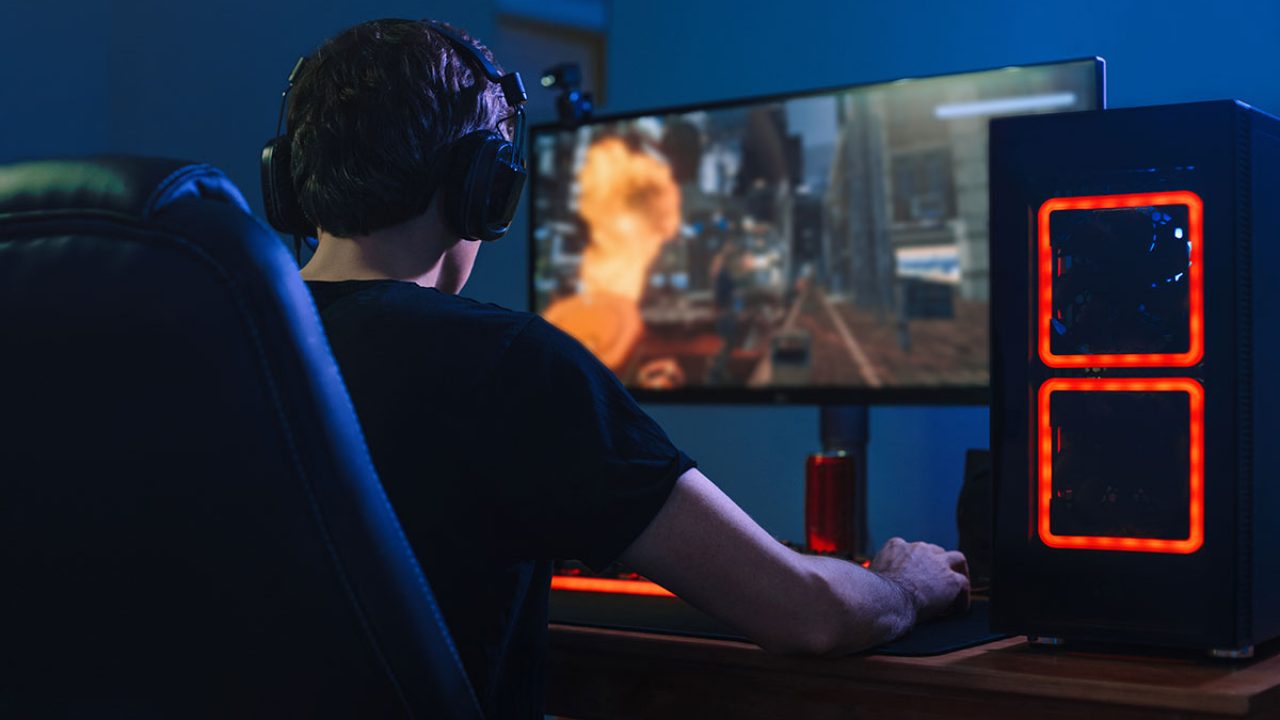
 Video games can be an enjoyable escape, offering entertainment, social connection, and mental stimulation. For most people, gaming is a healthy hobby. However, when playing becomes a compulsion, it can interfere with daily life, relationships, and mental health. Compulsive gaming, often referred to as gaming disorder, affects people of all ages and backgrounds. Recognizing the problem and seeking support is essential to breaking the cycle and reclaiming balance, purpose, and well-being.
Understanding Gaming Compulsion
Gaming compulsion occurs when play becomes uncontrollable, and gaming takes priority over responsibilities, personal care, and social connections. Individuals struggling with gaming addiction often experience a cycle where playing temporarily alleviates stress or emotional discomfort but ultimately contributes to greater problems.
Common signs of gaming compulsion include:
-
Spending excessive hours gaming despite negative consequences
-
Feeling anxiety, irritability, or frustration when unable to play
-
Neglecting work, school, or family obligations
-
Withdrawing from friends and in-person social interactions
-
Using gaming as a primary coping mechanism for stress or emotional challenges
Identifying these behaviors early is crucial for preventing long-term impacts on mental and physical health.
The Impact of Compulsive Gaming on Mental Health
Compulsive gaming can increase stress, exacerbate anxiety or depression, and lead to social isolation. Over time, individuals may rely on gaming to avoid confronting difficult emotions or challenges in daily life. This pattern can create a cycle of dependency that is hard to break without professional support.
Emotional Effects
Mood swings, frustration, and guilt often accompany compulsive gaming. Many individuals feel trapped in a cycle of play and regret, which can intensify mental health concerns.
Physical Consequences
Extended gaming sessions can disrupt sleep, reduce physical activity, and negatively impact nutrition. These physical effects can worsen emotional stress and overall well-being.
Strategies for Reclaiming Balance
Breaking free from compulsive gaming requires intentional strategies that address both behavior and underlying emotional needs.
Set Boundaries and Build Structure
Create clear limits on gaming time. Structured routines help individuals prioritize responsibilities and maintain balance between play and daily life.
Develop Healthy Coping Mechanisms
Identify alternative ways to manage stress and emotions. Exercise, mindfulness, creative hobbies, journaling, and social engagement provide positive outlets that reduce dependence on gaming.
Strengthen Social Connections
Rebuilding relationships with family, friends, and community supports emotional resilience. Engaging in offline activities fosters real-world connections and accountability.
Monitor Triggers
Understand the emotional or situational triggers that prompt excessive gaming. Awareness of these triggers allows individuals to implement coping strategies before gaming becomes compulsive.
Seeking Professional Support
For many, professional guidance is essential to break the cycle of compulsive gaming. Addiction recovery programs and mental health treatment centers, like ffxigil4sale.com, offer comprehensive support tailored to each individual’s needs.
Inpatient and Outpatient Care
Inpatient programs provide a structured, distraction-free environment to focus on recovery. Outpatient programs offer flexibility while delivering therapy and skill-building to manage gaming behaviors and related challenges.
Individualized Counseling
Licensed therapists create personalized treatment plans that address behavioral patterns, emotional triggers, and co-occurring mental health concerns. Individualized care ensures strategies are effective and sustainable.
Holistic and Faith-Based Approaches
Mindfulness, meditation, spiritual guidance, and holistic practices promote healing of the mind, body, and spirit. These approaches foster long-term resilience and a renewed sense of purpose.
Family Involvement
Family education and counseling strengthen communication, set healthy boundaries, and rebuild trust. Family support is critical for reinforcing recovery and maintaining positive routines at home.
Conclusion
Compulsive gaming can quietly take control of daily life, but recovery is possible with awareness, strategies, and professional support. By recognizing the signs, establishing healthy routines, and seeking individualized care, individuals can break the cycle and reclaim a balanced, fulfilling life. If you or a loved one is struggling with gaming compulsion, reaching out to a trusted addiction recovery and mental health center can provide the guidance, tools, and compassionate support needed for lasting change. Take the first step today toward a healthier, more connected, and empowered life.
